Copy article URL
 Unsave article
 Save article
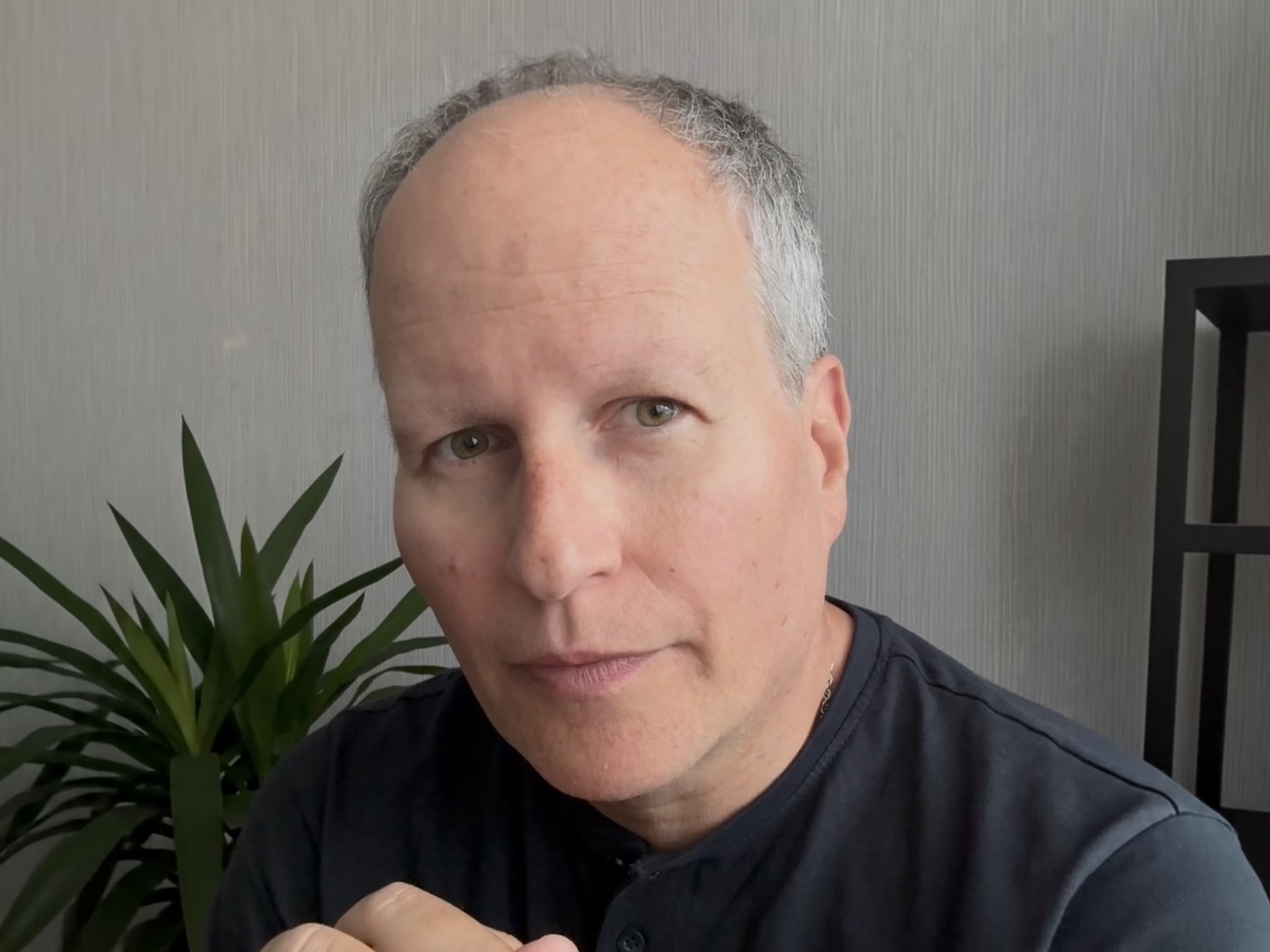
I had no prostate cancer symptoms.
That is the sentence I want other men to hear. It was true in my case. And if I had waited for a symptom, I would not be writing this.
In February 2025, at 52, I went to my GP about an abdominal swelling. He suspected a bowel problem and said I was too young for prostate cancer. I insisted on full bloods anyway. Prostate cancer runs in my close family, and I wanted it ruled out.
The PSA came back at 4,056. The colorectal specialist reading the results for something else spotted it.
Within a few weeks the staging was in. Stage 4, polymetastatic, Gleason Grade 4. The disease had spread to lymph nodes and bone. My daughter was three. My wife and I were told a year ago that we were looking at a very different kind of future from the one we had planned.
The treatment plan was triplet therapy — hormone therapy, an androgen receptor pathway inhibitor, and seven cycles of docetaxel chemotherapy. The chemo was delivered at the NGS Macmillan Unit in Chesterfield, under Weston Park Cancer Centre's care.
Cycle two put me into anaphylaxis in the chair. Thirteen milligrams of the hundred and sixty-four I was due. The nurses reversed it with adrenaline. Three weeks later I went back and did it again — properly this time. That one counts as its own cycle. Seven in total.
Alongside the NHS treatment, I drove down to London for second opinions. Stanmore, then the tube to Marylebone, then the walk to Harley Street. One afternoon between appointments, while my wife and daughter were in the play area, I walked into Regent's Park and prayed for more time.
I rang the chemo bell at NGS Macmillan in Chesterfield. People clap and cheer. My wife was in tears, but I knew it was far from over. It is a good moment, and it is worth marking.
My PSA is now undetectable. From 4,056 to 0.02 in almost 2 years.
I am not cured. Nobody is, at Stage 4. I will be on hormone therapy for the rest of my life. Hormone therapy does what the name describes — it strips out testosterone and most of what comes with it. The heat, the energy, the shape of the body, the register of the voice.
Testosterone loss does more than that. It affects your thinking, and your ability to synthesise oestradiol — which is what the body needs to keep bone and muscle on.
It has changed how I live more than the chemotherapy did. There is a quieter, slower version of me now. He goes to the gym twice a week with a trainer, keeps weight on, protects his sleep, and watches the ground he walks on because bone metastases do not forgive a fall.
But the disease — the dragon, as I think of it — is sleeping. It may wake again in a year, or ten years, or never. Nobody knows. I live inside that honesty. I spend less time now on what I cannot control, and more on what I can. My wife, my daughter, the work. In that order. Faith has carried me through parts of this that I would not have found a way through on my own.
If any of this is useful to someone newly diagnosed:
Get a second opinion. The first Medical Diagnostics Team is not the only team. My treatment was changed by the second.
Write your questions down before you walk in, and ask them. The appointment will not slow down for you to remember them.
Bring someone with you. Two sets of ears hear a different conversation.
Tell the people around you what you can carry and what you cannot. They want to help and they do not know how. Give them something specific.
The early weeks are the worst. The panic eases. You will not feel in February what you feel in August.
And know that treatment has moved a long way in the last few years. The number on the page is not the whole story. Mine wasn't.
I now run Smart As Daddy, a platform aimed at men who still believe prostate cancer is an old man's disease. I was 52. If you are where I was in February 2025, there is a free question-and-answer tool at ask.smartasdaddy.com that will meet you where you are.